The Vet Visit Experience at Prairieville Animal Hospital
On the morning I finally shadowed a day at Prairieville Animal Hospital, the front desk was a chorus of friendly greetings and the hum of careful activity. The clinic isn’t a showroom for glittering equipment; it’s a working space where pet owners and clinicians meet with a shared goal: keeping animals healthier, happier, and less anxious about the inevitable touches of medicine. I’ve spent years in veterinary practice rooms, and what stood out here was how the clinic balances clinical rigor with a human touch. The environment isn’t sterile for the sake of sterility; it’s designed to feel calm, predictable, and trustworthy, a place where families depend on repeated visits—vaccinations, wellness exams, dental care, and the more involved procedures that come with aging pets.
From the outside, Prairieville Animal Hospital looks like a mid-sized veterinary practice, with signage that promises comprehensive care. Inside, the flow is deliberate. The reception area is free of loud clutter, which matters because many pets come through the door already nervous. You’ll notice the soft lighting, the unobtrusive music, and a staff rhythm that seems to be part choreography, part habit. People are not just kept apprised of what happens next; they’re invited to participate in decisions about care. The receptionists do more than check in appointments. They coordinate reminders for vaccines, dental cleanings, and annual wellness visits, and they remember the pets by name and by quirks—things that matter when your cat hides under a chair during exams or your senior dog relies on a gentle touch during a teeth cleaning.
As a clinician, I’m drawn to places that make the mechanics of care obvious but never showy. The veterinarians at Prairieville emphasize routine care as a foundation for every big decision later on. A pet wellness exam at this clinic isn’t a checkbox, it’s a conversation about posture, appetite, hydration, coat condition, and the subtle signs that reveal more happening beneath the surface. In my experience, the best clinics treat wellness visits as a chance to separate age-related changes from illness in a practical way. The exam room becomes a small stage where the pet’s behavior, the owner’s observations, and the clinical findings merge into a coherent narrative.
The physical exam itself is brisk yet thorough. A typical wellness check at Prairieville Animal Hospital will include a careful assessment of the heart and lungs, listening for murmurs or irregular rhythms that could hint at early disease. The eyes and ears are scanned for signs of infection or inflammation, and the mouth is opened not merely to check teeth but to gauge gum health, tooth wear, and breath odor, all of which can signal systemic issues. The abdomen is palpated to detect organ enlargement or tenderness, and the mobility of joints is noted. The goal is to identify issues before they become obvious to the owner, to provide a plan that’s realistic for the pet’s lifestyle, and to create a unified message that the veterinarian and owner can act on together. In practice, that means clear recommendations about vaccines, dental care, nutrition, and exercise, all tailored to the pet’s age, breed tendencies, and health history.
Wellness is not purely about the body—behavior and comfort matter, too. Prairieville’s clinicians routinely discuss stress during visits, because fear can aggravate underlying conditions or mask symptoms. A well-timed approach to handling and environment can make a huge difference in a pet’s long-term well being. The cafeteria of options offered at the clinic includes preventive meds, dental care with professional cleaning when needed, and guidance on behavioral strategies that reduce anxiety for future appointments. The staff is careful to explain the reasons behind each recommendation, so owners leave with a sense of what to do next rather than a sense of obligation.
Pet ownership is a continued negotiation between what you want for your animal and what is medically prudent. The clinic’s approach to vaccinations reflects this balance. Vaccinations for pets are discussed in the context of risk, exposure, and the pet’s daily routine. For many families, the question isn’t whether to vaccinate but which vaccines are appropriate and on what schedule. Prairieville Animal Hospital tends to adopt a cautious, evidence-based stance, aligning with guidelines from recognized veterinary bodies while adjusting for the local environment. In practical terms, this means a vaccination plan that’s explicit about timing, anticipated protection, and possible side effects, with a clear path for follow-up if a reaction occurs. For new clients, there is a welcome clarity about what to expect if a vaccine site becomes swollen or irritated, what to observe at home, and when to contact the clinic.
The ideas above aren’t abstract. They shape a clinic experience that has real consequences for daily life. A well-structured plan for dental care can prevent chronic pain and weight loss in aging pets, while a thoughtful vaccination schedule reduces the risk of preventable disease in communities of pets. The clinic’s emphasis on education means you’re not merely informed about what you should do; you understand why it matters, and you feel capable of carrying the plan forward after you walk out the door.
A typical visit to Prairieville Animal Hospital is anchored by a few constants. There’s the reassurance of a familiar staff member who knows your pet’s name, the predictable cadence of a well-run appointment, and the sense that the clinic is not chasing the latest trend but rather building long-term health. The team is careful to respect the bond between owner and pet, inviting questions and providing practical answers. This approach pays off when it comes to more involved procedures, like spay and neuter surgeries or pet dentistry, where timing, pain management, and post-operative care require precise coordination.
Practical experience at the clinic shows that planning ahead yields smoother experiences for everyone involved. The team helps families map out a realistic schedule that doesn’t disrupt daily life and still maintains medical rigor. I’ve watched clients leave with a clear plan—when to start a dental routine at home, what days to avoid for high-stress outings, and how to track subtle changes in behavior or appetite that might indicate a need for further evaluation. The wisdom, in short, is to treat wellness as a continuous process rather than a one-off event.
A second thread running through Prairieville’s practice is the willingness to address edge cases with candor. Not every pet fits a textbook case, and not every problem will yield a neat diagnosis on the first conversation. The veterinary team acknowledges uncertainty where it exists and outlines practical next steps. They discuss possible outcomes and the pros and cons of different approaches, including the trade-offs between more aggressive interventions and quality-of-life considerations. The result is care that defies the stereotype of clinic rigidness. Instead, it feels adaptive and grounded in the realities of animal temperament, owner scheduling constraints, and financial considerations without compromising medical integrity.
For many pet families, a visit to Prairieville Animal Hospital becomes a friendship with the clinic. You see the same faces, you hear the same language, and you learn the patterns that help your pet thrive. The experience isn’t just about the moment of treatment; it’s about continuity across months and years, something the staff recognize and cultivate with a thoughtful calm. I’ve watched a ferret’s routine check become an example of careful observation and targeted care, or a senior dog's annual screening become a practical reminder to adjust a daily routine for joint comfort. The clinic’s value emerges in those continuities, in the way a family returns with confidence and leaves with a clear, actionable plan.
Wellness and preventive care sit at the heart of the practice model. It’s not merely about preventing disease; it’s about preserving a way of being for a family with a beloved animal. The conversations around nutrition, exercise, dental hygiene, and early symptom recognition weave into a practical tapestry that owners can live with. The clinicians don’t just tell you what to do; they explain how to do it, what to expect, and how to adjust as life changes.
A note about the community around Prairieville Animal Hospital is important. The clinic frequently engages with local efforts that promote responsible pet ownership and accessible veterinary care. The practice isn’t isolated from the neighborhood it serves; it advertises itself as a partner in a larger ecosystem of pet wellness. It makes a difference when a clinic treats community health as a shared responsibility rather than a transactional service. The result is a sense of belonging among clients who feel their pet’s health really matters to the people who treat them.
What works here is not a single trick but a composition of small, consistent decisions. The front desk staff help you navigate forms and reminders with patience. The veterinary technicians manage the exam room with careful attention to both pet and owner. The veterinarians themselves bring a calm, practical approach to every pet that comes through the door. It’s the kind of atmosphere that reduces the stress of a visit for many anxious pets and makes the owner feel supported in making good choices.
A closer look at the core services helps illustrate how Prairieville’s philosophy translates into daily practice. Pet wellness exams are animal hospital near me the backbone, and they are more than a checklist. They’re an in-depth look at how a pet moves, eats, and breathes across seasons and life stages. Vaccinations for pets are delivered with precision, backed by modern protocols, and paired with education about why each vaccine matters for a given animal. Spay and neuter services are performed with attention to pain management, recovery monitoring, and post-operative care instructions designed to get pets back to their routines as soon as possible. Pet surgery, when needed, is handled with a careful risk assessment and transparent communication about what to expect before and after the procedure. Finally, pet dental care is treated as essential preventive medicine, with options for in-house cleaning and guidance on at-home care that can save pain and expense later.
Because a clinic operates best as a team, Prairieville’s staff is a living example of how collaboration creates better outcomes. The veterinarians consult with technicians and, when necessary, with specialists to map out complex plans. The result is not simply a solution for today’s problem but a pathway that helps a family anticipate and prevent future issues. That forward-looking posture is what makes the clinic feel reliable, not merely competent.
If you’re new to Prairieville Animal Hospital, a sense of what to expect can ease the nerves that come with bringing a new pet through the door. The initial encounter is a chance to collect history—what the pet eats, how active it is, any past illnesses, and current medications. From there, you’ll walk through a plan that aligns with the family’s schedule and financial realities, while maintaining medical integrity. It’s a pragmatic approach that respects the day-to-day responsibilities of households while ensuring the pet receives the care it deserves.
Two practical aspects that often define the experience for families are timing and transparency. The timing of appointments is handled with a realistic sense of how long a routine wellness visit should take, how many pets are scheduled in a given block, and how to minimize waiting room tension for anxious dogs or skittish cats. Transparency arrives in the form of a clear written plan after the visit, including any recommended vaccines, procedures, medications, and follow-up checks. The clinic’s culture supports honest conversations about risk, cost, and care outcomes, which is not always easy to find in bustling clinical environments.
In the end, what makes Prairieville Animal Hospital distinctive is a consistent alignment between clinical excellence and the everyday needs of pet families. The staff’s low-key expertise shows up not as bravado but as steady, dependable care. If a pet’s health journey is a long road that spans years, this clinic makes a habit of walking it with you, step by step, question by question, until the path becomes familiar and predictable again.
A window into the daily realities of the clinic reveals the practical decisions behind every policy and protocol. The vaccination schedule is built around real-world risk assessment, balancing the need to prevent disease with the realities of how often a family can return for boosters. The spay and neuter program is designed to minimize anesthesia time while maximizing pain control and recovery comfort, recognizing that even small improvements in post-operative care can dramatically influence a pet’s quality of life in the weeks after surgery. Dental care is treated as essential rather than elective, because the costs of ignoring dental disease accumulate quickly through systemic effects on organs like the heart, liver, and kidneys. These are not abstract claims but the kind of outcomes families experience over time when a clinic maintains a steady focus on prevention, education, and compassionate practice.
For owners contemplating Prairieville Animal Hospital, the takeaway is simple but meaningful: a veterinary clinic that treats your family as part of a broader community of care. The experience is not a one-off event but a relationship, built through repeated visits, honest conversations, and practical guidance that respects both the animal and the people who love it. In my years in the field, I’ve seen how continuity matters—how the same team, familiar routines, and dependable appointments can transform fear into familiarity, and fear into confidence.
Two lists capture the practical, day-to-day realities that help families navigate care at Prairieville Animal Hospital without getting overwhelmed.
What to know before a first wellness exam
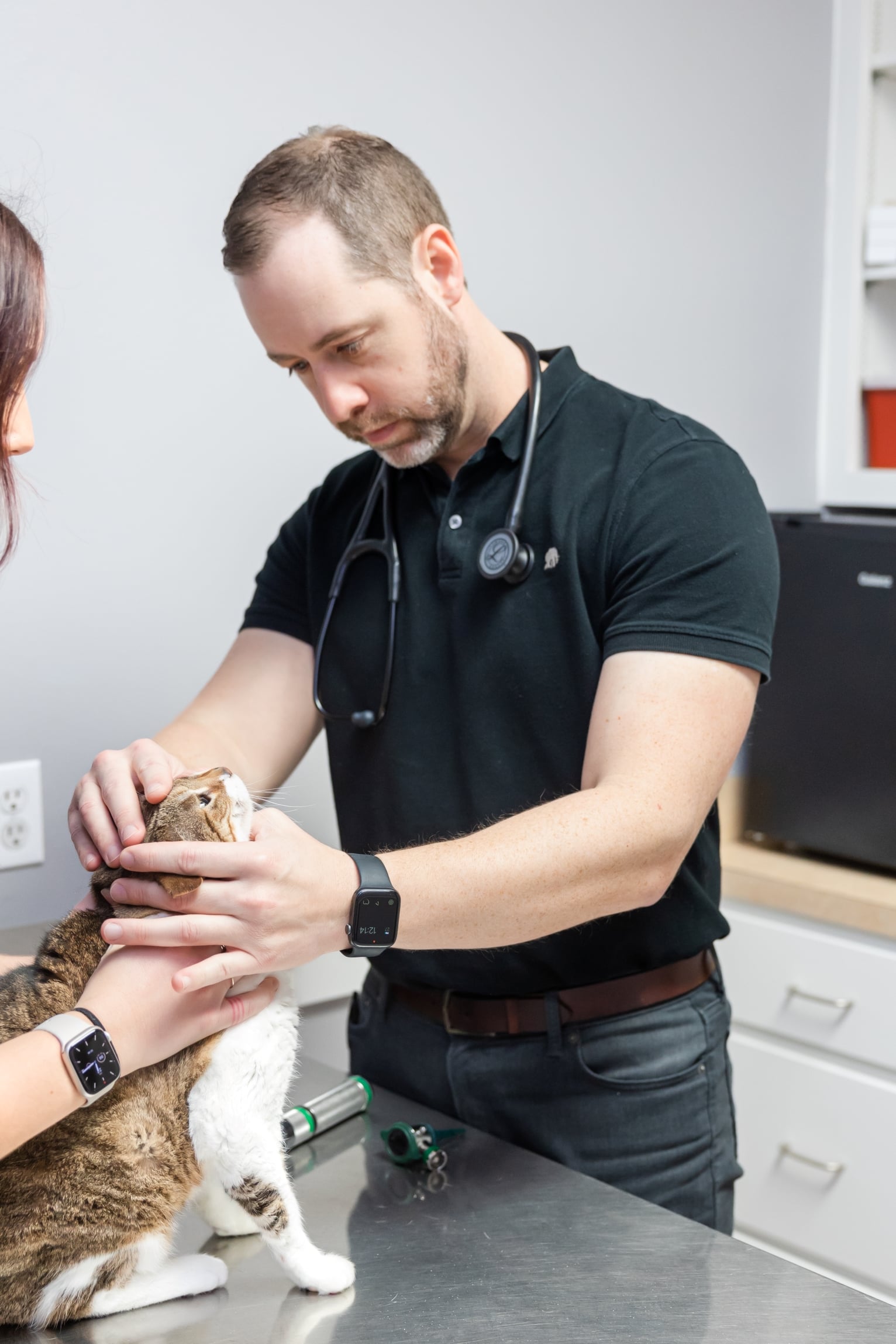
- The exam covers heart, lungs, eyes, ears, mouth, abdomen, and joints, with attention to behavior changes and body condition.
- A vaccination plan is tailored to the pet’s age and lifestyle, explained with timing and possible side effects.
- The team will discuss dental care as preventive medicine, including home care advice and, if needed, a professional cleaning schedule.
- You’ll leave with a clear plan for the next steps, including any tests or follow-up visits, and a reminder system to keep you on track.
- Expect candid conversation about risk, cost, and what success looks like for your pet at this life stage.
Preparing for surgical procedures or dental work at Prairieville
- Arrive with a current medication list and any questions about anesthesia safety or pain management.
- Follow pre-surgery instructions about fasting, hydration, and activity level to optimize recovery.
- Discuss post-operative care early, including wound care, activity restrictions, and pain control at home.
- Clarify what signs would prompt a call to the clinic, and when to schedule the next check-in during recovery.
- Have a realistic plan for transportation and time off if your pet will need monitoring after anesthesia.
The days I spent listening to cases and watching the clinic staff respond to patient needs reinforced a simple truth: animal health care works best when it blends disciplined science with compassionate communication. Prairieville Animal Hospital embodies that blend through its routine care philosophy, its careful attention to behavior and stress management, and its commitment to transparency in treatment choices. For families weighing their options, a clinic like this offers more than service; it offers reliability built on experience, a steady hand in moments of uncertainty, and a partnership that recognizes the pet as a full member of the household.
As the afternoon sun softened through the clinic windows, I reflected on the many pets that pass through Prairieville Animal Hospital each week. Not every animal thrives on visits, and not every owner has the same level of comfort with veterinary care. The clinic meets these variations with steadiness: friendly yet professional, informative yet never overbearing, efficient without feeling rushed. It is the difference between a place you visit and a place you rely on, a distinction that matters when the health of someone you love is at stake.
In a field that occasionally feels dominated by urgency, Prairieville’s practice offers a tempered, reusable template for how care should be delivered. It’s not about flashy technologies or dramatic breakthroughs in every case; it’s about knowing what to check, what to ask, and how to move forward when the answers aren’t immediately obvious. The result is care that adds years to a pet’s life and, perhaps more importantly, life to those years.
If you’re seeking a veterinary clinic that prioritizes practical, humane care, Prairieville Animal Hospital deserves consideration. The experience you gain there is not simply about the procedures or the vaccines or the surgeries. It’s about the quiet confidence that comes from knowing the people who treat your pet understand the daily realities of life with animals. That confidence has a way of turning fear into curiosity, anxiety into planning, and routine visits into meaningful acts of partnership for years to come.