Preventive Pet Care Routines You’ll Love from Prairieville Animal Hospital
Across the years I’ve spent with pets and their people, one truth remains constant: prevention saves both money and heartache. At Prairieville Animal Hospital, preventive care isn’t a box to check off. It’s a philosophy that guides every visit, every recommendation, every home routine. When you align with a clear schedule and practical habits, you’ll see your companion thrive longer, with fewer surprises at the clinic door. This article shares routines that have stood up to real-world use, shaped by clinics, kennels, and quiet evenings at home.
A practical frame for preventive care
Prevention starts with predictable patterns. Animals respond to routine the way people do. When a task becomes part of the weekly rhythm, it loses its drama and becomes a quiet act of care. For many families, that rhythm looks like a blend of timely vaccinations, wellness panels, sheltering routines, and daily care that fits into busy lives. The aim is not perfection but consistency.
What does that look like in day-to-day life? It means scheduling annual exams and vaccines, then building home habits around dental care, weight management, and parasite prevention. It means knowing when to ask for help from the team at Prairieville Animal Hospital animal clinic near me. It means recognizing signs that a routine needs tightening or adjustment. The most important shift is turning care from a reaction to a habit.
The year in a balanced preventive calendar
A hospital visit for preventive care often arrives as a small cluster of events rather than a single day. In many cases, clients find the rhythm easiest to maintain when they map the year in quarters. Vaccinations align with vaccines due dates, blood work flags potential issues early, and dental cleanings pair well with annual exams if the pet tolerates the procedures. The calendar should be simple, with reminders that come in advance rather than at the last minute.
The core components usually include a yearly physical exam, parasite protection, vaccines according to lifestyle and risk, dental assessment or cleaning as indicated, and a basic wellness blood panel for dogs and cats over a certain age or risk category. If your pet has chronic conditions, the schedule expands to accommodate more frequent monitoring. The objective is stability, not complexity. A predictable cadence reduces anxiety for both pet and owner while keeping health data current.
Daily at-home routines that extend veterinary care
What you do every day matters. A small, consistent routine at home can prevent problems from growing and catch issues before they become emergencies. The routines below reflect what I’ve seen work across diverse households, from apartments to farms, and in both quiet suburban clinics and busy boarding facilities.
First, brushing and weight checks. A quick, once-daily body check helps you notice changes in appetite, coat condition, skin texture, and energy. While brushing, look for lumps, bumps, or hot spots. Trace a gentle hand along joints and hips, especially in older pets. Couple these checks with a daily weight log. A sudden shift of even a few percent can signal a medical issue that deserves attention.
Second, dental care as a daily habit. Most dogs and many cats tolerate regular dental care if introduced gradually. A paste or spray and a soft brush, used consistently, makes the biggest dent in dental disease over a lifetime. When brushing isn’t feasible, a veterinarian can recommend antiseptic rinses or treats that complement brushing. Dental health is not optional. It affects heart and kidney function, not to mention breath, which is a constant in daily life.
Third, proper feeding. Portion control matters as much as the food you choose. Free feeding can lead to overeating and weight gain, especially in sedentary pets. A measured, twice-daily feeding schedule creates routine, stabilizes energy, and supports metabolic health. If you have a multi-pet household, separate meals and a shared feeding area curb competition and stress.
Fourth, parasite prevention that isn’t seasonal by calendar alone. Fleas and ticks don’t observe a calendar, and intestinal parasites can lurk even when the weather looks mild. Use veterinarian-recommended products and follow dosing schedules precisely. If you travel, adjust for new environments and consider bringing products that you know you’ll need to maintain protection.
Fifth, enrichment that supports mental health. A 10-minute daily routine of interactive play, puzzle feeders, or training sessions keeps pets engaged and reduces behaviors that mask discomfort or anxiety. Enrichment isn’t fluff; it’s a form of preventive welfare that reduces nighttime restlessness, improves circulation, and supports dietary goals.
Two clear examples of home routines that have proven practical:
- A midday 5-minute health check during a work-from-home day, documenting appetite, energy, and stool consistency.
- A weekly dental care window with a note in the calendar to track progress and any sensitivity or resistance to brushing.
These small anchors ease the transition toward more involved preventive tasks and keep you connected to your pet’s baseline.
Senior pet care and life-stage adjustments
Age matters in preventive care. What your sixteen-year-old cat or ten-year-old dog needs is different from a younger animal just starting school in obedience class. The goal is to anticipate changes and adapt. In senior pets, routine blood work becomes more frequent, sometimes quarterly, to monitor organ function and detect early disease. Joint health often becomes central, and weight management may shift from growth and maintenance to stabilization.
One practical approach is to pair routine senior evaluations with a review of medications and supplements. Do not assume that a supplement will automatically improve health. Discussions about potential interactions, dosage, and necessity require veterinary oversight. If your pet has chronic conditions such as diabetes, kidney disease, or arthritis, the preventive plan becomes a living document. It changes with the pet’s response to treatment, new findings on screen tests, and the family’s capacity to maintain daily care.
In real terms, this means more frequent check-ins with Prairieville Animal Hospital and an openness to adjust diets, activity levels, and environmental factors. Some days will feel routine; other days demand careful attention to subtle changes in gait, appetite, or sleep. The key is staying engaged and asking questions before problems escalate.
Dental health as a cornerstone of prevention
Oral health drives overall well-being more than many people expect. Dental disease is not simply about bad breath. It can affect heart, liver, and kidney function, and even alter the way a pet eats and interacts. A straightforward preventive approach includes regular dental examinations during wellness visits, prophy cleanings as needed, and at-home care that becomes nonnegotiable for a dog or cat with a mouth full of persistent plaque.
From the hospital side, a dental assessment during annual or biannual visits helps determine whether a cleaning is warranted. For many pets, especially those older or at higher risk, a mid-year dental check helps prevent emergency scaling that could require anesthesia in a higher-risk patient. In the home, simple steps—daily brushing, appropriate chew toys, and veterinarian-approved dental diets or treats—support long-term outcomes and reduce the likelihood of antibiotic therapy or extractions.
Vaccines and risk-informed protection
Vaccinations are strongest when tailored to lifestyle and exposure. A family with multiple pets that travel to dog parks or engage in boarding will have different needs than a single-p-pet household. Prairieville Animal Hospital adheres to evidence-based vaccine protocols, balancing disease prevention with minimizing unnecessary exposure to vaccines. A core plan includes vaccines that protect against common diseases, plus boosters and assessments based on age and risk factors.
Your veterinarian will help you map a schedule that aligns with your pet’s life. For some, a yearly booster is sufficient; for others, especially puppies and kittens or pets with prairievilleanimalhospital.com certain medical histories, a more frequent rhythm is appropriate. The goal is durable protection without over-vaccination, a balance earned through ongoing conversations and annual reevaluation.
Nutrition, weight, and metabolic health
A healthy weight is a daily decision. The best preventive care plan starts with a realistic assessment of caloric needs, a quality diet, and an exercise plan that fits your household. Many owners underestimate the energy their pet consumes, especially if the animal screens as calm and quiet at home. A weight check at every annual visit, plus a trained eye at home, helps catch early signs of weight gain or loss that can accompany aging, endocrine disorders, or seasonal changes in activity.
Practical steps include measuring portions, choosing food that aligns with energy needs, and tweaking treats to support overall caloric balance. If a pet’s activity declines with age, adjust the diet to avoid excess calories that lead to obesity. Weight management has a ripple effect: improved mobility, better glycemic control in diabetes, and reduced strain on joints.
Parasite prevention in practice
Parasites pose a year-round risk. Fleas, ticks, heartworms, and intestinal parasites can all surprise you. Far too many owners rely on last-minute purchases from a pet store, but the effectiveness and safety profile vary widely. Prairieville Animal Hospital emphasizes parasite prevention plans that are matched to the animal’s risk, geographic location, and lifestyle. This might mean monthly oral preventives, seasonal spot-ons, or a combination approach. The key is regular administration, correct dosing, and a clear plan for travel, boarding, or exposure to other animals.
It helps to pair parasite prevention with routine fecal testing for intestinal parasites, especially in puppies and kittens or newly adopted pets. If you board your animals at Prairieville Animal Hospital kennel or find yourself traveling with pets, bring your vet’s guidance and ensure your preventive plan remains effective across environments.
Pet boarding and the preventive mindset
For many families, the question of pet boarding emerges alongside preventive routines. A good boarding facility understands the pet’s routine and health status and works to preserve consistency. Prairieville Animal Hospital’s boarding services are designed to minimize stress and maintain familiar routines as much as possible. Clear communication about medications, special diets, and behavioral cues reduces the chance of behavioral changes that might mask health concerns. Boarding should be a complement to preventive care, not a substitute for it.
If your pet has ongoing medical needs or requires daily medications, a boarding plan should include explicit instructions for caregivers, easy access to medications, and a reliable chain of contact between the owner and the hospital. The goal is seamless continuity between home, hospital, and boarding environments so health and behavior stay on a predictable track.
What to ask during your preventive care visit
A preventive care visit should feel like a collaboration rather than a one-way check. You bring the pet’s history; the veterinary team brings the medical context and practical options. Key questions to guide the conversation include:
- Are there any early warning signs I should watch for between visits?
- How should we adjust nutrition if the pet’s activity level changes?
- What is the ideal dental care routine for this pet’s age and health status?
- When is a follow-up test or imaging recommended, given the pet’s current risk factors?
- How do we coordinate care if the pet develops a chronic condition?
A thoughtful dialogue leads to a plan that you can implement with confidence. It also makes it easier to navigate the sometimes confusing messages that come with routine care and vaccinations.
Practical notes on implementing and sustaining routines
Consistency, not perfection, matters. Small, reliable actions build a robust preventive program. If your schedule is crowded, start with a single change that feels doable—perhaps a daily dental brush with a flavor your pet enjoys, or a weekly weigh-in documented in a simple notebook. Then layer in additional steps as comfort grows. The best outcomes come from steady progress, not abrupt overhauls.
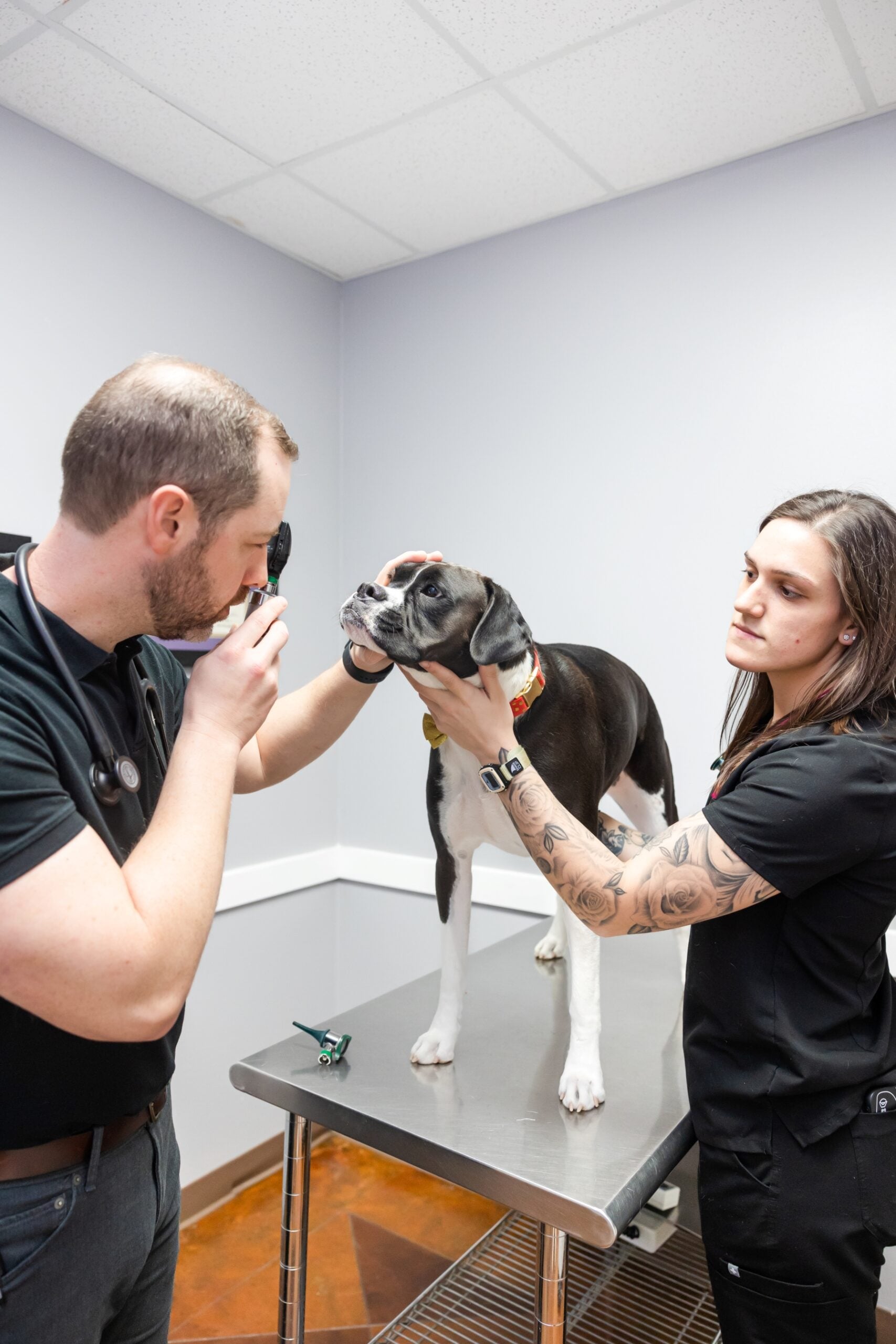
There will be days when a routine slips. The important thing is the return to the plan without guilt. Your veterinarian is a partner, not a judge. If you notice persistent fatigue, appetite shifts, or changes in mobility, contact your care team sooner rather than later. Early attention can prevent bigger problems and reduce the stress that can come with sudden illness.
Two practical checklists you can carry forward
I’m including two concise checklists that have proven practical over years of routine care. They are not exhaustive, but they offer clear anchors you can refer to when planning care or discussing options with Prairieville Animal Hospital.
First, a home care snapshot for weekly rhythm:
- Monitor appetite, energy, and stool consistency at least three times a week.
- Brush teeth daily or on a consistent schedule, using veterinary-approved products.
- Measure portions and log weight once per week.
- Check coat, skin, and paws for signs of irritation or injury.
- Provide enrichment and gentle activity to support mobility and mood.
Second, a senior pet planning checklist:
- Schedule quarterly wellness blood work and a comprehensive exam if applicable.
- Review medications and supplements with the veterinarian, adjusting as needed.
- Reassess dental needs and plan professional cleaning if indicated.
- Reconsider the diet to maintain a healthy weight and steady energy.
- Update parasite prevention and vaccination plan according to current risk.
A closing note on local care you can trust
Prairieville Animal Hospital is more than a clinic; it’s a partner in daily life with your pet. The preventive routines described here are not abstract guidelines but actionable practices shaped by real-world experience. Each pet is an individual with unique needs, and the best care emerges from ongoing collaboration between you and your veterinary team. If you’re seeking a nearby resource, a quick consult with the Prairieville location can help tailor a plan that fits your family’s rhythm and your pet’s temperament.
The value of preventive care is quiet and cumulative. It shows up as fewer urgent visits, steadier energy, and a longer, more comfortable life for the animals who share our days. The small decisions—whether to brush a few minutes each night, or to schedule a wellness exam in the spring—add up. They become part of a life lived with your pet in partnership, a partnership that makes every stage of companionship more rewarding.