Prairieville Animal Hospital: The Veterinary Team's Approach to Pet Wellness
Every clinic has a rhythm, a cadence born from years of casework, routines, and the quiet hum of a well-run operation. Prairieville Animal Hospital sits in that sweet spot where science meets daily life, where the care plan for a senior dog reads like a travelogue of their best years, and where a stray fear of the vet room becomes a shared responsibility between owner and clinician. My experience there stretches across a decade, and what follows is not a glossy sales pitch but a grounded view of how a veterinary team operates when the goal is durable pet wellness rather than quick fixes.
The first thing that becomes clear the moment you walk through the door is that this practice treats wellness as a continuous journey, not a handful of episodic visits. You’ll meet a team that understands the subtleties of a pet’s life beyond the medical chart. A dog’s appetite, a cat’s routine, a rabbit’s digging habit in the yard—these details aren’t optional color in a file. They’re the data points that help us tailor a plan that respects a pet’s temperament, a family’s schedule, and the realities of aging animals. The wellness philosophy here is practical, evidence-based, and human-centered in its own quiet way.
From the start, the team prioritizes relationship-building. A high-performing veterinary staff isn’t just technically proficient; they’re also adept at reading cues—what a waggy tail can mean on a nervous dog, what a cat’s reluctance to be touched on a certain side might signify, or how a family’s finances influence decisions about care. You hear this awareness in the way a receptionist follows up after a vaccination visit, or in the way a technician gently explains what an abdominal palpation or a dental cleaning involves. It’s not theater; it’s a system built on respect for pets and their people.
A cornerstone of Prairieville’s approach is the adoption of a comprehensive wellness model that sits on a few pillars: preventive care, early disease detection, nutrition and lifestyle guidance, and a flexible plan that accommodates change. The team doesn’t pretend that every problem has a neat, single answer. Instead, they acknowledge the complexity of living with an animal—how a new senior dog’s mobility issues might alter a family’s activity, or how a cat’s shifting weight over seasons could signal a metabolic change. The goal is to keep pets feeling like themselves for as long as possible, and to do so with clear, actionable steps that families can implement without feeling overwhelmed.
Preventive care forms the backbone of the wellness program. Yearly or biannual exams provide a touchstone in which vaccines are reviewed, dental health is assessed, and blood work is considered in the context of a pet’s age and lifestyle. A well-run wellness visit at Prairieville blends science with storytelling: the clinician shares a snapshot of the pet’s health, but also asks about the owner’s observations since the last appointment. Has the Labrador’s energy level dipped after a long hike? Has the domestic shorthair started shedding in a way that concerns you? These questions, asked in a nonjudgmental tone, often unlock the information needed to catch issues before they manifest as urgent problems.
The diagnostic toolkit is robust without being medical theater. Expect a careful physical exam, but also the practical use of ultrasound when indicated, radiographs, and targeted bloodwork selected to reflect the animal’s life stage. The team understands the constraint of time in busy clinics, so they avoid the trap of ordering panels by habit. Instead, they align tests with actual risk factors and owner concerns. A middle-aged mixed breed dog with a tendency toward obesity will likely see a different set of measurements than a senior cat with a history of hypertension. This nuance matters, because it prevents unnecessary testing while ensuring critical data isn’t missed.
Nutrition sits at the heart of wellness because it shapes everything else. Prairieville’s veterinarians approach feeding as a personalized prescription rather than a one-size-fits-all recommendation. They consider age, activity, dental status, and any medical conditions that might necessitate a specialized diet. It isn’t just about calories; it’s about macronutrient balance, palatability, and the practicality of cooking or buying food for a household with multiple pets. A clinician might propose a gradual transition plan to a high-quality diet, with a clear checklist for monitoring appetite, stool consistency, and energy. They’ll also recognize the social and financial dimensions of feeding, offering guidance that respects family dynamics without compromising animal welfare.
In practice, the wellness program leans heavily on early detection. A rising or falling trend in a blood value, a subtle change in urination patterns, or a shift in gait can all be the early signals of a bone, kidney, or endocrine problem. The team’s approach is to treat these signals as a call to action, not a cause for alarm. When a lab result comes back with a number outside the comfortable range, the response is measured and data-driven: repeat the test to confirm, interpret in light of the animal’s daily life, and present a set of options. The emphasis is on clarity—numbers are translated into what they mean for your dog’s daily routine, or what a cat might tolerate in terms of treatment.
One area where Prairieville shines is in dentistry. Dental health is often underestimated in modern pet care, yet it quietly governs quality of life. A mouth full of inflamed gums or a rogue tooth can ripple into appetite, weight, and energy. The practice treats dental wellness as a routine part of care rather than a special event. Cleanings, scaling, and gentle extractions are performed with a mindfulness that minimizes stress for the animal. Post-procedure, families receive concrete instructions and a realistic pace for reintroducing regular brushing and checkups. The emphasis on preventive dentistry is not an afterthought but a central component of wellness, because a healthy mouth supports overall health in tangible ways.
The human element in wellness care matters just as much as the medical mechanics. The veterinarians at Prairieville are careful listeners. They encourage clients to share the small, often overlooked details—the way a cat begins to prefer a certain sleeping spot, or how a dog’s hydration level seems inconsistent in the heat of summer. This listening isn’t soft filler; it’s the reason early signs of dehydration, urinary tract issues, or arthritis become actionable before they escalate. The staff is trained to recognize owner anxiety without amplifying it. They validate concerns while offering practical next steps.
A guiding philosophy in the clinic is collaboration. The veterinary team understands they don’t have all the answers at the moment the door closes, and they don’t pretend otherwise. They foster a partnership with owners in which you share the decision-making, and they provide the medical scaffolding to support those decisions. This is especially evident when managing chronic conditions. A dog with early canine arthritis may benefit from a combination of weight management, joint supplements, a physical therapy plan, and a careful daily routine. The clinician explains each element, its expected outcomes, and the risks should you choose a more aggressive route. The owner leaves with a realistic plan and a sense that success is a compound of small, consistent actions.
Practical details matter in the day-to-day functioning of a wellness program. For instance, the clinic places a premium on efficient scheduling that minimizes stress for animals and families alike. It isn’t a race to see how many patients can be moved through the door, but a deliberate rhythm that respects the animal’s needs. Some clients prefer midday visits, so the team accommodates when possible. The staff uses gentle restraint techniques that minimize fear during examinations and vaccines. They also employ calming strategies that can be taught to owners, so the home environment supports a smooth ongoing wellness routine.
The wellness program is not static. It grows in response to new evidence, client feedback, and the realities of the local community. For example, Prairieville has a large outdoor lifestyle presence—owners who hike, run, or roam with their dogs in wide-open spaces. This translates into a pragmatic emphasis on skin and ear care, parasite prevention, and vaccination schedules aligned with travel into neighboring regions. When a new parasite control product enters the market, the team evaluates it with the same disciplined lens as any new medication. They weigh efficacy, safety, cost, and the practicality of administration in a family setting. This measured approach protects pets from unnecessary interventions while ensuring genuine protection where it matters most.
Living with pets inevitably introduces the unknowns that tests and plans cannot fully capture. The Prairieville team meets this reality with a flexible, compassionate approach. If a dog develops an unexpected limp, a cat shows signs of coughing, or a rabbit’s appetite dips with turning seasons, the clinicians don’t default to panic. They start from a foundation of observable signs, then build a plan with owner input. Sometimes the answer is a simple course of rest and observation. Other times it is a targeted therapy, a revised diet, or a referral to a specialist for deeper investigation. The essential point is that wellness here is not about perfection; it is about resilience and informed decision-making.
To illustrate the everyday texture of this work, consider a few representative moments from the clinic floor. A senior terrier comes in with stiff hips after months of cold weather. The veterinarian explains the logic of an exercise plan—short, frequent walks, gentle range-of-motion routines, and a calibrated dose of anti-inflammatory medication. The owner leaves with a calendar, a list of home exercises, and a new toy to encourage engagement with mobility work. On another afternoon, a middle-aged cat with mild kidney changes receives a message about dental health and hydration strategies. The clinician recommends an appetite-friendly, low-stress dental treatment plan that keeps the cat comfortable while addressing the underlying renal considerations. The tone is practical—no drama, just a precise alignment of care with the animal’s daily life.
The team also recognizes the emotional burden certain health decisions carry for families. It is not uncommon for clients to worry about the cost of ongoing wellness, especially when the animal’s needs evolve with age. Prairieville addresses these concerns with transparency. They present a menu of options at each decision point, highlighting what will likely be most impactful in the short term and what might need reconsideration later. The aim is to avoid sticker shock, ensure value, and maintain a sense of partnership throughout the pet’s life cycle. This approach pays dividends in trust; clients feel informed, not pressured, and they stay engaged with preventive care that heads off problems before they erode quality of life.
The clinic’s culture also embraces continuous learning, not as a chasm between staff and clients but as an everyday practice. Staff meetings routinely review recent cases, discuss evolving best practices, and share practical tips for communicating complex medical ideas to owners. It’s not rare to hear a veterinarian talking through a recent journal article in plain terms, translating a study on canine nutrition into a plan that fits a real household. This curiosity keeps the clinic fresh without abandoning the core principles that guide daily care: empathy, precision, and honesty.
Two lists may help crystallize the practical aspects of Prairieville’s wellness approach. They are not prescriptive steps beyond what a family can implement, but they capture recurring themes that surface in most wellness conversations.
-
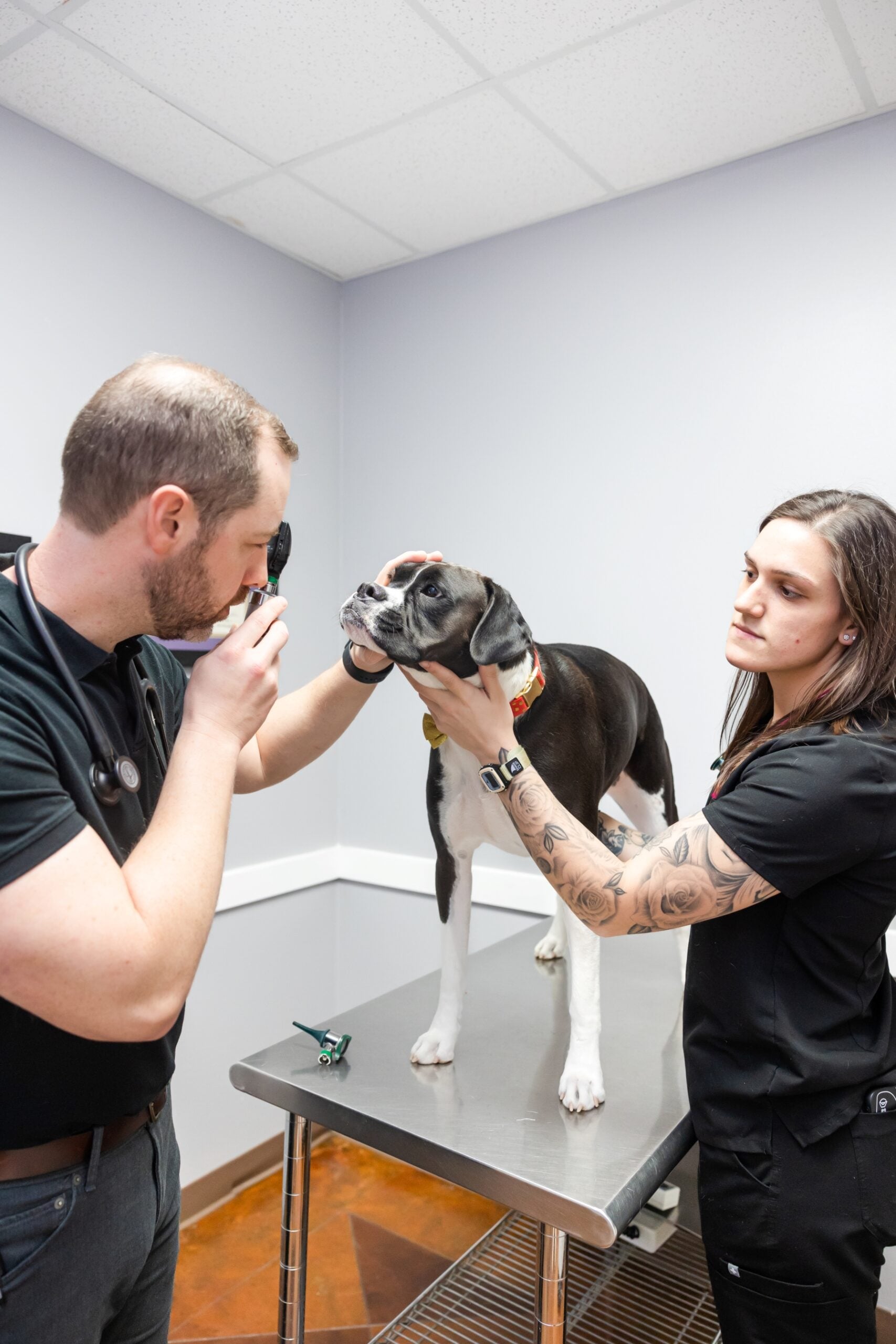
Core wellness services you can expect
-
Comprehensive annual or semiannual exams with tailored vaccination plans
-
Preventive dental care and guidance on at-home maintenance
-
Nutrition and weight management personalized to age, activity, and medical history
-
Routine lab work or targeted tests aligned with life stage and risk factors
-
Parasite prevention, skin and coat care, and targeted wellness education
-
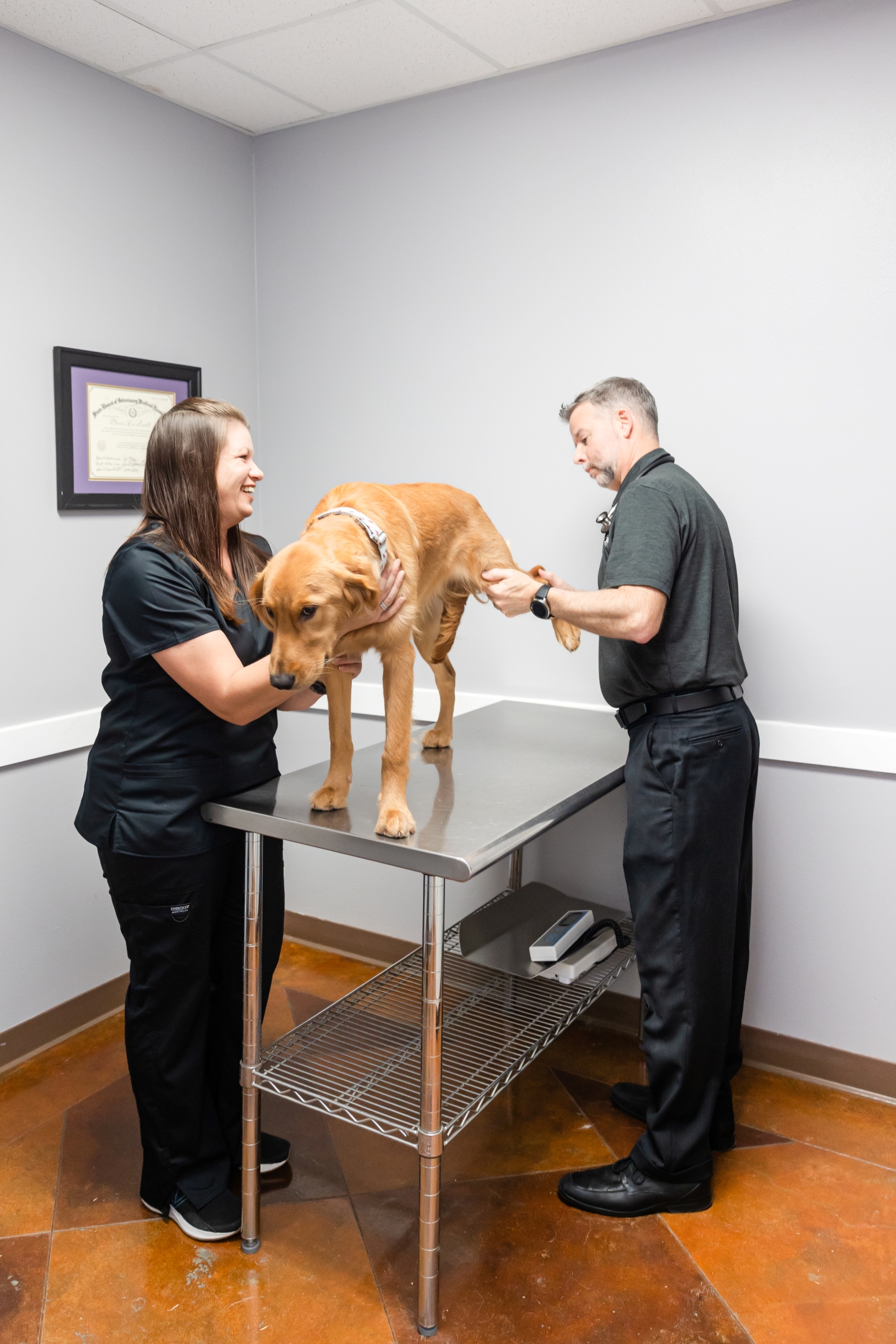
Smart, family-friendly actions for ongoing wellness
-
Track weight, appetite, drinking patterns, and energy level between visits
-
Establish a consistent daily routine that includes gentle physical activity
-
Maintain a predictable dental care plan with brushing or dental chews
-
Monitor changes in behavior and report subtle red flags early
-
Schedule preventive visits before travel seasons or holidays when routines shift
The two lists above reflect ideas that recur in conversations with clients and clinicians alike. They aren’t exhaustive, but they capture the rhythm of care that sustains pet wellness in a practical, lived sense. The goal is to empower owners with a framework that translates science into daily life. The team at Prairieville understands that a plan worth following is one that makes sense within the patient’s environment and the family’s reality.
A final note on outcomes and expectations. Wellness in this setting is not about promising a cure for every ailment. It’s about maximizing the time a pet can live healthily with the people who love them. It means catching conditions early enough to intervene with minimal disruption to daily life, and it means recognizing when certain changes are part of aging and should be managed with dignity and patience. The clinicians appreciate when owners share both the small daily observations and the larger concerns. The combined input fuels a plan that is robust, adaptable, and honest.
In the end, Prairieville Animal Hospital’s approach to pet wellness mirrors the broader ambition of contemporary veterinary medicine: to blend rigorous science with the everyday realities of pet ownership. The team draws on experience, evidence, and a quiet confidence born of years of patient care. They treat wellness as a collaborative enterprise, one that requires ongoing attention, careful listening, and a willingness to adjust course as life unfolds for each animal. It is a philosophy grounded in the belief that animals deserve care that respects their individuality, their history, and their place in the family.
For families stepping into this space for the first time, the experience can feel disorienting. New clients may worry about the volume of information and the stakes of medical decisions. Prairieville’s clinicians respond with clarity and patience. They break down complex medical language into practical, doable steps. They provide written checklists, sample schedules, and a realistic timeline for preventive care milestones. They invite questions and welcome a back-and-forth dialogue that acknowledges the pet as a member of the household, not a set of medical variables.
What stands out in real terms is the balance between expertise and approach. The veterinarians demonstrate deep knowledge—from cardiology screening to nutrition science—without leaning on jargon or overcomplicating a plan. They show restraint when a simple, well-executed adjustment is all that is needed, and they are willing to escalate with a plan if a more thorough intervention is warranted. The technicians and support staff are not secondary players; they are essential to the patient experience. The way they prep an exam room, handle a nervous pet with care, or educate a family after a procedure speaks to a culture where every touchpoint matters.
For pet owners who care about building a durable, practical wellness routine, Prairieville offers a reliable partner. The clinic gives you a map for the long journey, one built on routine checks, thoughtful nutrition, and care plans that adapt as your animal ages. The team understands that every household has its own pace and that some pets require gentle, patient pacing more than aggressive interventions. They meet you there with a respectful, well-informed approach that keeps the animal’s best interests front and center.
As with any healthcare relationship, continuity matters. The value of knowing a clinician who remembers a pet’s history, who can spot subtle shifts across seasons, and who can explain why a particular step is being recommended cannot be overstated. Prairieville’s wellness program is designed to foster that continuity. It encourages families to return for regular care rather than waiting for a crisis. The result is not simply healthier pets, but more confident owners who feel they have a partner in care every step of the way.

If you are assessing veterinary options, consider what a wellness-first practice brings to your daily routine. Think about how easy it is to integrate preventive care into your calendar, how the clinic communicates about risks and benefits, and what kind of follow-up you can expect after a visit. Prairieville Animal Hospital tends to be judged, not by temporary outcomes, but by the steadiness of its approach over years. In that steadiness there is trust, and in trust there is the quiet confidence that your pet’s health is in thoughtful hands.
The experience of caring for pets within a wellness framework is about more than medical interventions. It is about the stories you tell after a visit—the way a senior dog stretches out after a session of gentle physical therapy, the improvement in a cat’s appetite after a dental plan, the calm that follows a well-managed anxiety during a routine exam. These small, tangible improvements accumulate. They create a sense of safety in a world where a health concern can feel overwhelming. Prairieville’s team understands that reality and responds with a blend of science, empathy, and practical know-how.
In closing, the veterinary team at Prairieville Animal Hospital embodies a philosophy where wellness is a living discipline. It is not a one-time event but a continuous practice that adapts to evolving needs. It respects the animal as an individual and honors the family’s everyday life by offering clear guidance, reliable care, and a partnership built on trust. If you seek a veterinary home where preventive care is thoughtful, where early detection is the standard, and where the https://waylongsex759.clearminster.com/posts/spay-and-neuter-at-prairieville-animal-hospital-safety-guidelines human-animal bond is celebrated as a core strength of the practice, Prairieville stands as a compelling option. The approach is no grand manifesto, just solid, tested care that helps pets thrive across years and seasons.